Technical Article
Cereal Packaging Machine: 7 Checks Before You Choose Weighing, Filling and Sealing Equipment
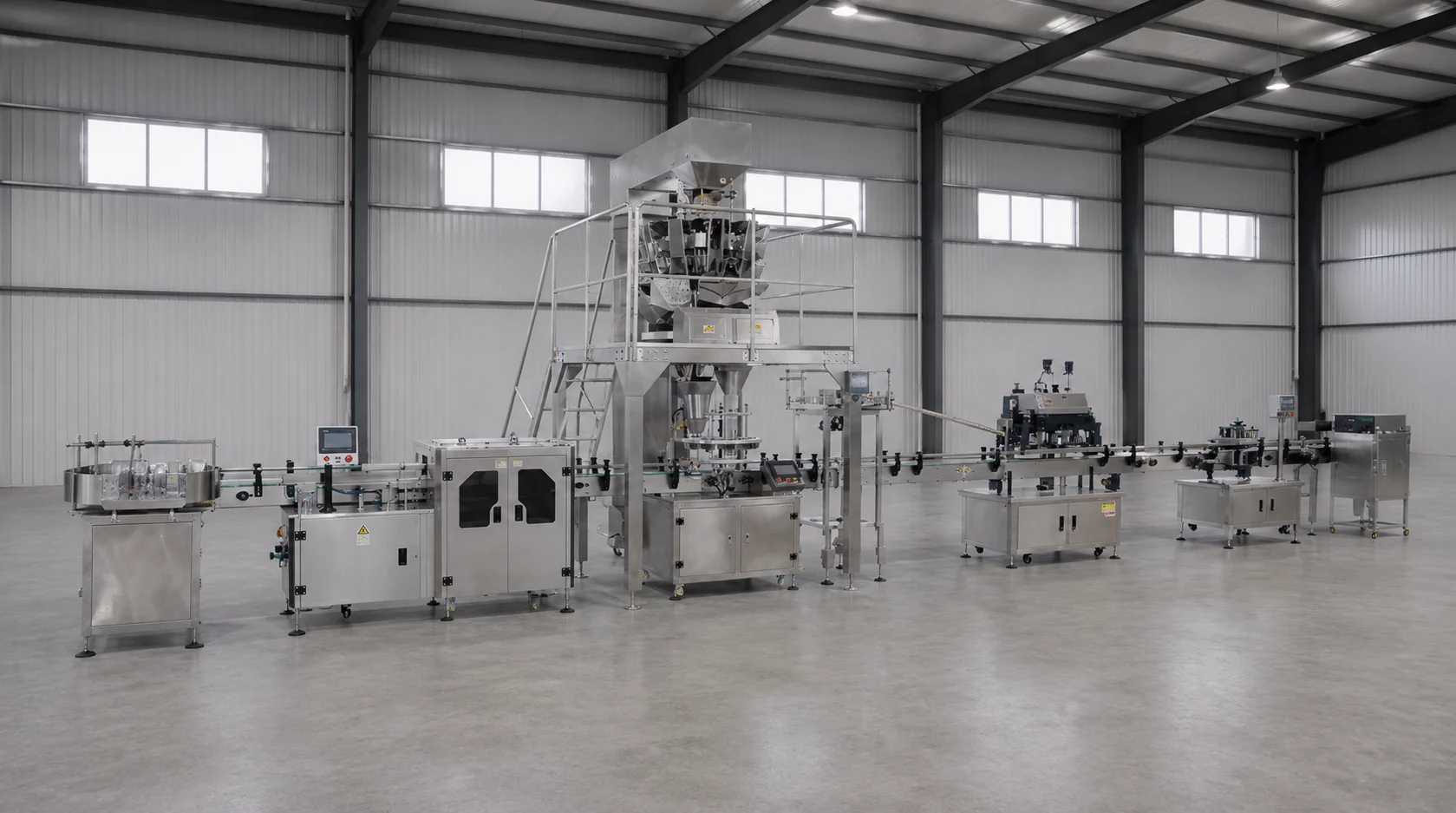
A cereal packaging machine is usually selected at the end of a production-line project, after extrusion, drying, cooling and seasoning have already been planned. That is often too late. Product bulk density, fragility, bag style, target weight and required speed determine whether the packing section can keep up with the finished product.
This guide gives buyers a practical way to specify cereal, flakes and puffed-snack packaging equipment before comparing quotations. For the core equipment scope, see ZEKO’s automatic food packaging machine page.
1. Define the finished product condition first
Packaging equipment should be matched to the product arriving from the cooling or seasoning section. Corn flakes, cereal rings, puffed snacks and coated products can differ in bulk density, breakage risk, oil content and flow behaviour. A machine that runs smoothly with dense granules may not protect a light expanded snack or fragile flake.
Send product photos and a representative sample where possible. The supplier needs to understand particle size, dust, product temperature, surface oil, acceptable breakage and whether product flow is free, inconsistent or prone to bridging.
2. Choose the package format before selecting a filler
A cereal packaging line can use pillow bags, gusset bags, stand-up pouches, jars or a project-specific format. The pack format affects the weighing method, film handling, sealing arrangement, discharge height and downstream case-packing scope.
| Buyer decision | Why it matters |
|---|---|
| Bag or container format | Defines the packing-machine configuration and finished presentation |
| Target net weight | Determines the weighing range and discharge cycle |
| Required packs per minute | Sets the practical balance between feeder, weigher, filler and sealing section |
| Product breakage limit | Guides drop height, handling method and discharge design |
| Film or packaging material | Influences sealing temperature, dwell time and package integrity |
3. Match the feeding and weighing method to product flow
Packaging is not only a vertical form-fill-seal machine. The upstream feeding and weighing section is equally important. A typical scope can include product conveyors, bucket elevators, vibration feeders, a multihead weigher or other dosing system, filling, sealing, date coding and discharge.
For light expanded products, the buyer should ask how the feeding method limits crushing and whether the weigher can achieve the requested weight tolerance at the required speed. For flakes or irregular cereal pieces, product distribution and gentle handling should be reviewed before confirming the layout.
4. Use one capacity basis from production to packing
A packing machine can become the bottleneck even when the extruder and dryer reach the planned output. Compare every stage on the same basis: kilograms per hour of saleable product, target pack weight, packs per minute, product density and expected changeover time.
For example, a line producing 300 kg/h of finished cereal in 30 g bags needs an average output of 10,000 bags per hour before allowing for normal stops, weight checks and changeover. This is a planning calculation, not a machine-selection guarantee. The complete packing configuration must be tested against the actual product and package.
Our capacity planning guide explains why every linked section must be balanced around saleable output rather than an individual machine nameplate.
5. Plan the connection from cooling and seasoning
Hot product, unstable seasoning, oil migration or insufficient cooling can create sealing and weighing problems downstream. The packaging system should receive product at a condition suitable for handling and packing. Confirm the product temperature, cooling method, seasoning or coating step, buffer capacity and conveying route before finalising the equipment layout.
For puffed products, this connection is especially important because product density and fragility affect both handling and bag volume. Review the puffed snack production line when the project includes direct-expanded snacks, balls, curls or rings.
6. Specify changeovers and market requirements
Many cereal projects produce more than one pack weight or bag design. State the number of formats, expected changeover frequency, coding requirement, language or label needs, electrical supply and space available around the packing area. A clear brief prevents a quotation from omitting the conveyors, platforms, safety guarding or inspection equipment needed for real operation.
7. Include packaging in the factory acceptance plan
The factory acceptance test should use an agreed product or a representative substitute and record the package format, target weight, production speed, seal quality and product condition after packing. It should also define what will be verified after installation with the final packaging material.
Use the food production line FAT checklist to agree the evidence required before shipment.
What to send when requesting a cereal packaging quotation
- Product name, photos and flow characteristics
- Target pack weights and bag or container formats
- Required packs per minute or finished kilograms per hour
- Acceptable weight tolerance and product-breakage limit
- Film or packaging-material details, if known
- Available voltage, workshop layout and downstream case-packing needs
ZEKO can match the packing section to the real product route, from cooling and conveying through weighing, filling and sealing. Send your packaging project brief for a configuration recommendation.
Continue Reading