Technical Article
Automatic Food Packaging Machine: 6 Questions Before You Choose Weighing, Filling and Sealing
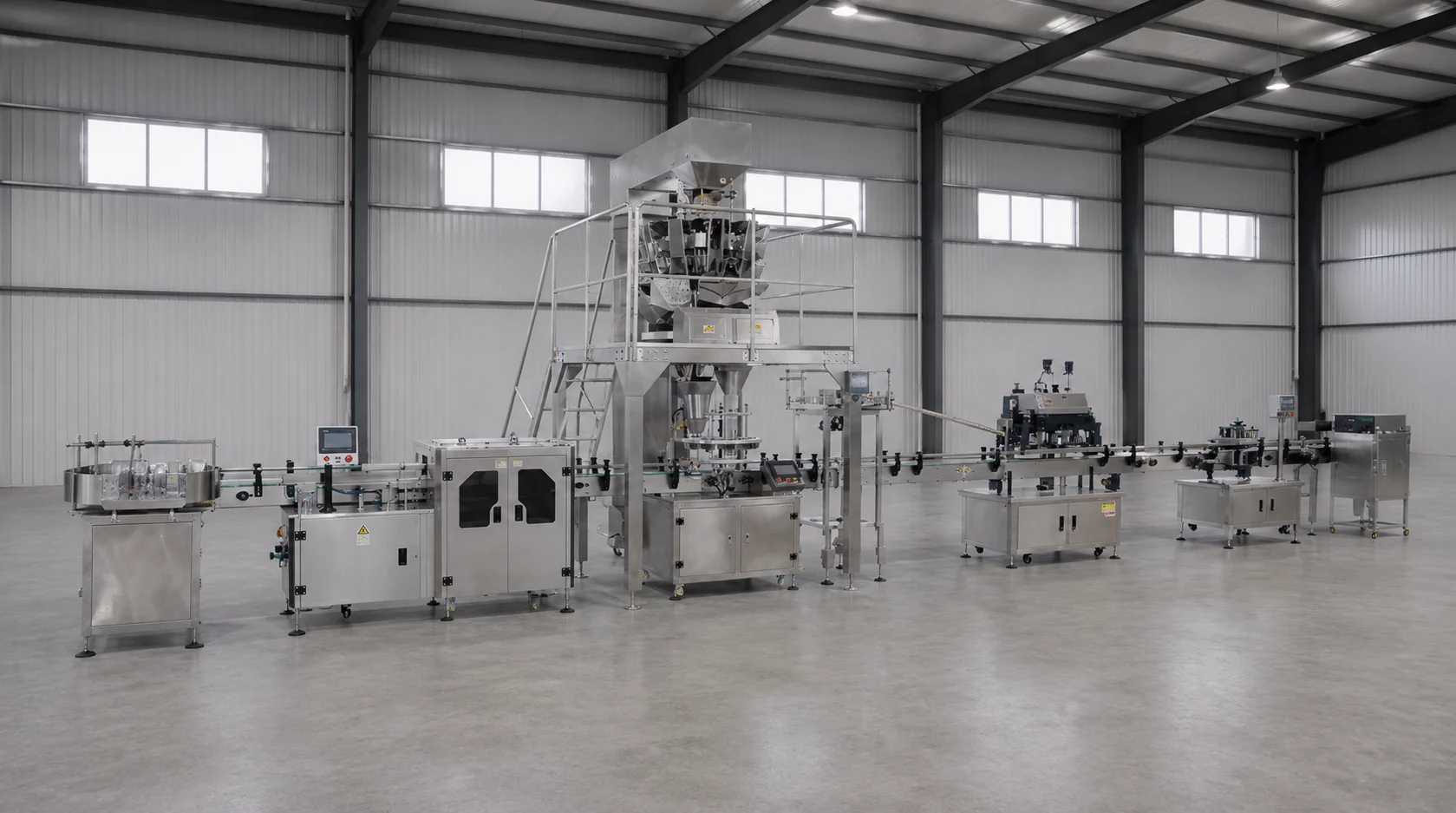
An automatic food packaging machine is a complete handling and packing section, not only a bagging machine. The material condition, pack format, target weight, speed, dust level, product fragility and upstream process all affect the configuration that will work in a real factory.
This guide gives buyers six questions to answer before comparing automatic food packaging machine quotations. For the core equipment scope, see ZEKO’s automatic food packing and packaging machine page.
1. What material reaches the packaging section?
Puffed snacks, cereal flakes, pet food kibble, fish feed pellets, grains and powders behave differently. A fragile expanded snack may need gentle conveying and controlled drop heights. A powder may need dust control and an auger dosing method. Dense pellets can require a different feeder and weighing range from a light cereal product.
Start with a product photo, particle-size range, bulk density, product temperature, surface oil, flow behaviour and acceptable breakage. This lets the supplier match the infeed and dosing arrangement to the actual material rather than a generic machine label.
2. Which package format and net weight are required?
Pillow bags, gusset bags, stand-up pouches, jars and other formats create different requirements for film handling, filling height, sealing and discharge. The target net weight determines the weighing range, cycle time and practical packs-per-minute target.
| Buyer input | Equipment decision it affects |
|---|---|
| Product flow and fragility | Infeed, elevator, vibration feeder and gentle handling method |
| Target net weight | Weighing or dosing range and discharge cycle |
| Bag, pouch or container format | Filling platform, film handling and sealing arrangement |
| Required packs per minute | Balance between feeder, weigher, filler and sealing section |
| Dust, oil or stickiness | Hygiene, dosing, cleaning and sealing considerations |
3. Does the product need weighing or dosing?
Free-flowing snacks, cereal and pellets often use a matched weighing arrangement. Powders and products with different flow characteristics may use another controlled dosing method. The correct choice depends on the material and package requirement, not on which configuration has the highest quoted speed.
For a cereal-specific example, read ZEKO’s cereal packaging machine selection guide.
4. Can the packing speed match saleable production output?
Compare the packaging rate with the real finished-product output after drying, cooling, coating and normal production stops. A line can have a high extrusion capacity but still lose output if the packaging section cannot receive, weigh and seal the finished product at the required rhythm.
The useful calculation starts with saleable kilograms per hour, target pack weight, product density and expected changeover time. The food extrusion line capacity planning guide explains why every linked section must be matched to the same capacity basis.
5. What happens before and after the packaging machine?
Packaging should receive product at a stable condition. Hot product, unstable seasoning, insufficient cooling or poor buffering can cause weighing, sealing and product-quality problems. Also confirm whether the quotation includes conveyors, platforms, checkweighing, metal detection, coding, labeling, case packing or only the central filling and sealing unit.
For an integrated snack project, the packing section should be reviewed with the puffed snack production line rather than selected in isolation.
6. How will the packaging section be checked before shipment?
The factory acceptance plan should define the representative product or substitute, package format, target weight, practical speed, seal quality, coding requirement and outstanding items. It should separate what is verified in the factory from what will be confirmed after installation with the buyer’s final packaging material.
Use the food production line FAT checklist to agree the evidence before shipment.
What to send for an automatic food packaging machine quotation
- Product photos and material behaviour: free-flowing, powdery, fragile, sticky or dusty
- Target bag, pouch or container format and dimensions
- Target net weight, tolerance and packs-per-minute requirement
- Film or packaging-material details, if available
- Upstream product temperature, cooling method and available buffer space
- Voltage, compressed-air availability and workshop layout
ZEKO can match feeding, weighing or dosing, filling, sealing and optional downstream equipment to the real product route. Send a packaging project brief for a configuration discussion.
Continue Reading